Consultation · Sep 2026
How to Choose a Hair & Scalp Clinic in Cagayan de Oro
Seven things to check before trusting any clinic with your hair: assessments, credentials, honest timelines, hygiene, and the red flags that should make you walk away.
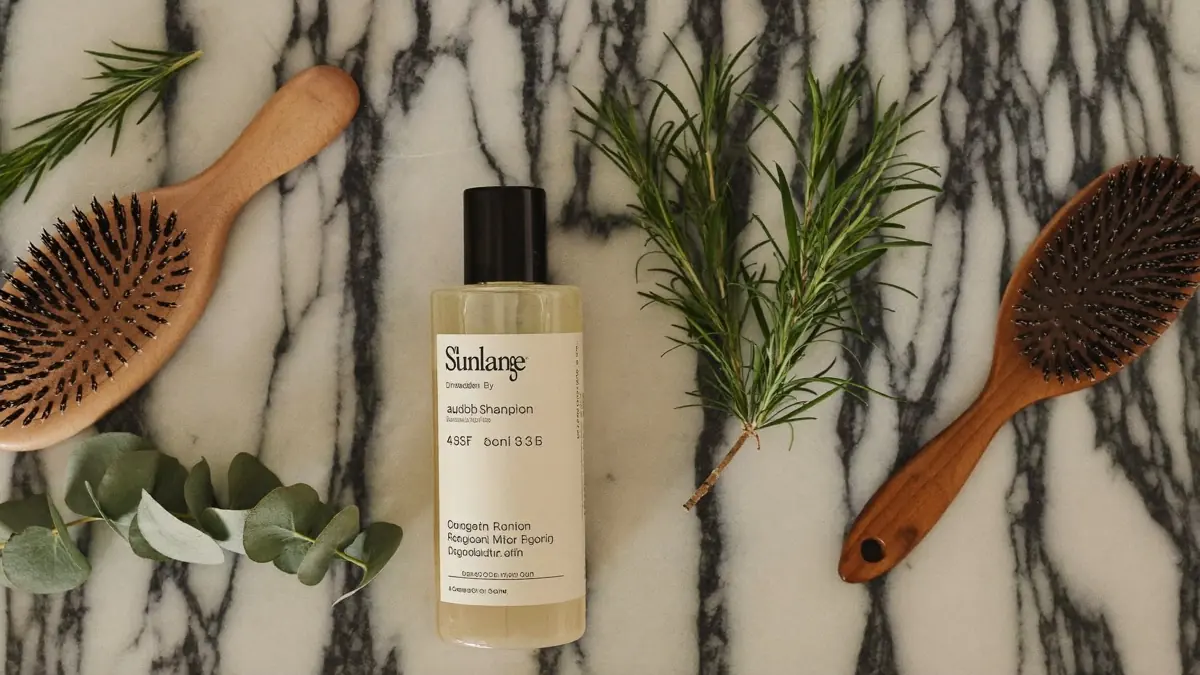
Scalp · Jul 2026
Why most hair concerns begin at the scalp — the signs of an unhealthy scalp, what causes them, and the small daily changes that make the biggest difference.
Hair grows from the scalp the way a plant grows from soil. If the soil is compromised, no amount of attention to the plant itself will fix the underlying problem. Yet most hair-care routines focus entirely on the strands — conditioners, serums, styling — while the living tissue that produces them goes ignored.
A healthy scalp is balanced: mildly acidic (around pH 5.5), well-hydrated, and free of inflammation or excess buildup. Its microbiome — the community of microorganisms living on its surface — is stable and diverse. When that balance is disrupted by over-washing, harsh products, heat, chronic sweat, or stress, the environment around the follicle deteriorates, and hair quality follows.
Persistent itchiness. Flaking that isn''t seasonal. A feeling of tightness after washing. Redness along the part line. Greasy roots paired with dry ends. Small tender bumps around follicles. Each of these points to a different underlying cause — from seborrheic dermatitis to product buildup to contact irritation — and each responds to different care, which is why guessing with supermarket products so often disappoints.
In the Philippines, heat and humidity add their own challenges: sweat and sebum accumulate faster, helmets and caps trap moisture against the scalp, and frequent washing to cope with the climate can strip the barrier if the cleanser is too harsh. The goal isn''t washing less or more — it''s washing correctly for your scalp type.
First, wash with lukewarm — not hot — water. Hot water strips the lipid barrier and triggers rebound oiliness. Second, choose a sulphate-free or pH-balanced cleanser suited to your scalp type, and actually massage it into the scalp for a full minute rather than lathering the lengths. Third, keep heavy leave-in products on the mid-lengths and ends, not piled on the roots where they trap sebum and dead skin against the follicle openings.
If symptoms persist for more than a few weeks despite sensible home care, a professional scalp analysis is the fastest way forward. In-clinic scalp treatments combine deep cleansing, exfoliation, targeted serums, and device-assisted delivery to reset a stubborn imbalance far faster than over-the-counter trial and error — and a trichoscope exam will show you, on screen, exactly what your follicles look like before and after. Healthy hair truly does start with a healthy scalp.
Consultation · Sep 2026
Seven things to check before trusting any clinic with your hair: assessments, credentials, honest timelines, hygiene, and the red flags that should make you walk away.
Hair · Sep 2026
How scalp micropigmentation works, who it suits, what sessions cost in time and comfort, and how long results last — a complete SMP guide for the Philippines.